
“Revolutionizing Water Storage with Durable SMC Panel Water Tanks by Trident Infratech”

Introduction Water is one of the most essential resources for life and development. In modern infrastructure projects — from high-rise residential buildings to large-scale industrial plants — the need for reliable water storage systems is greater than ever. Traditional solutions like RCC (Reinforced Cement Concrete) or steel tanks often fail to meet modern requirements for hygiene, modularity, and maintenance. Trident Infratech has emerged as a trusted leader in providing advanced infrastructure solutions, and its SMC Panel Water Tanks have revolutionized water storage. These tanks combine modern engineering, superior materials, and modular design to provide long-lasting, durable, and hygienic storage solutions suitable for diverse applications. With Trident Infratech’s tanks, organizations and residential complexes can now enjoy reliable water storage with minimal maintenance and long-term cost efficiency. Understanding SMC Panel Water Tanks SMC (Sheet Moulding Compound) is a composite material made from a carefully engineered blend of polyester resin, glass fibers, and strengthening fillers. This material is highly durable, corrosion-resistant, and lightweight, making it ideal for constructing modular water storage tanks. SMC Panel Water Tanks are constructed from interlocking panels that are pre-fabricated, durable, and easy to assemble on-site. Unlike traditional concrete or steel tanks, these tanks do not require heavy construction work or long curing times. The modular design allows for scalability, meaning tanks can be expanded or reduced in capacity based on project needs. Key advantages of SMC Panel Water Tanks: Hygienic & Non-Toxic: Smooth internal surfaces prevent bacterial growth. Corrosion & UV Resistant: Lasts longer even under harsh weather conditions. Lightweight & Modular: Easy transportation and installation. Low Maintenance: Requires minimal cleaning and inspection. Customizable Sizes & Shapes: Can be tailored to suit residential, commercial, or industrial applications. These features make SMC tanks an ideal choice for sustainable and modern water management, catering to both urban and industrial needs. Key Features and Detailed Specifications Trident Infratech’s SMC Panel Water Tanks stand out due to their technical precision and innovative design. Below is a detailed breakdown: Specification Details Material Sheet Moulding Compound (SMC) Panel Size Customizable, commonly 1m x 1m Panel Thickness 5mm – 20mm depending on capacity Capacity From 1,000 liters to several lakh liters Installation Above Ground / Underground / Rooftop Modular System Temperature Resistance -40°C to +80°C Corrosion Resistance 100% rust-proof and chemical resistant Maintenance Minimal; easy to clean and inspect Applications Residential, Commercial, Industrial, Institutional, Agricultural Additional Product Features: Leak-Proof Design: Every panel is precision-molded to ensure perfect sealing. High Strength-to-Weight Ratio: Panels provide structural stability without the weight of RCC tanks. Fire Retardant Properties: Resistant to fire and extreme heat, adding safety to industrial and commercial setups. Easy Replacement & Expansion: Individual panels can be replaced or added without dismantling the entire tank. Eco-Friendly Material: Reduces environmental impact compared to conventional tanks, aligning with green building practices. Trident Infratech’s tanks undergo rigorous quality checks, including pressure tests, water tightness verification, and durability assessments, ensuring clients receive a reliable and high-performing product. Applications Across Industries with Examples SMC Panel Water Tanks are widely adopted across multiple sectors due to their flexibility, reliability, and long service life. Residential Buildings:High-rise apartments and gated communities require hygienic and leak-proof tanks. Modular SMC tanks can be installed on rooftops or underground, providing safe drinking water to thousands of residents efficiently. Commercial Establishments:Hotels, office complexes, and shopping centers need uninterrupted water supply. Trident Infratech tanks are designed to integrate seamlessly with plumbing systems, ensuring 24/7 availability. Industrial Facilities:Factories and manufacturing plants often require large quantities of water for production, cooling, and cleaning. SMC tanks can handle high-volume storage and are resistant to chemical corrosion, making them perfect for industrial applications. Healthcare and Educational Institutions:Hospitals and schools demand hygienic water storage to prevent contamination. SMC tanks maintain water purity and reduce the risk of microbial growth. Government and Public Projects:Municipal water supply systems, community centers, and emergency water storage benefit from modular tanks that are quick to install and expandable for future capacity requirements. Agriculture and Irrigation:SMC tanks are used for irrigation projects, providing consistent water supply to farms and agricultural initiatives, ensuring water efficiency and sustainability. Case Example:A high-rise residential project in Mumbai replaced its RCC rooftop tanks with SMC Panel Water Tanks. The new system reduced installation time by 60%, maintenance costs by 70%, and provided cleaner, safer water for all residents. Advantages of Choosing Trident Infratech Trident Infratech’s SMC Panel Water Tanks offer unique advantages over conventional water storage systems: 1. Proven Engineering Expertise:The company combines years of infrastructure experience with advanced design principles, ensuring tanks meet industrial-grade quality standards. 2. Reliability and Durability:SMC material ensures long-lasting performance. Trident Infratech tanks are built to withstand environmental stress and heavy water loads without cracking or leaking. 3. Customization and Flexibility:Every project has unique requirements. Trident Infratech can deliver tanks in custom sizes, panel thicknesses, and configurations, making it suitable for any project — large or small. 4. Seamless Installation Support:Professional technicians provide on-site installation guidance, reducing errors and ensuring safe assembly. 5. Cost Efficiency:Modular design reduces labor costs and installation time. The tanks require minimal maintenance, reducing long-term operational costs. 6. Sustainable and Eco-Friendly:Lightweight and recyclable, SMC panels contribute to sustainable construction practices. Reduced material usage and long lifespan lower the environmental footprint. Comparison with Conventional Water Tanks Parameter SMC Panel Water Tanks Concrete / Steel Tanks Durability 25–30 years 10–15 years Corrosion Resistance 100% rust-proof Rust and leak-prone Installation Time Quick modular assembly Long construction and curing Weight Lightweight Heavy, requires strong foundation Maintenance Minimal Frequent cleaning and repair Customization Fully customizable Limited flexibility Unlike concrete or steel tanks, SMC Panel Water Tanks do not crack, corrode, or require extensive maintenance, making them cost-effective in the long run. Industry Case Studies Industrial Manufacturing Plant in Pune:Installed 50,000-liter SMC tanks to store process water. Result: Reduced leakage and maintenance downtime, enabling uninterrupted production. Residential High-Rise in Bengaluru:Replaced multiple RCC tanks with modular SMC panels. Result: Faster installation, safer water supply, and reduced structural load on the rooftop. Government Water Project in Rajasthan:Used SMC tanks for community water storage. Result:
Exploring the Future: Key Trends in Water Storage Solutions for 2025
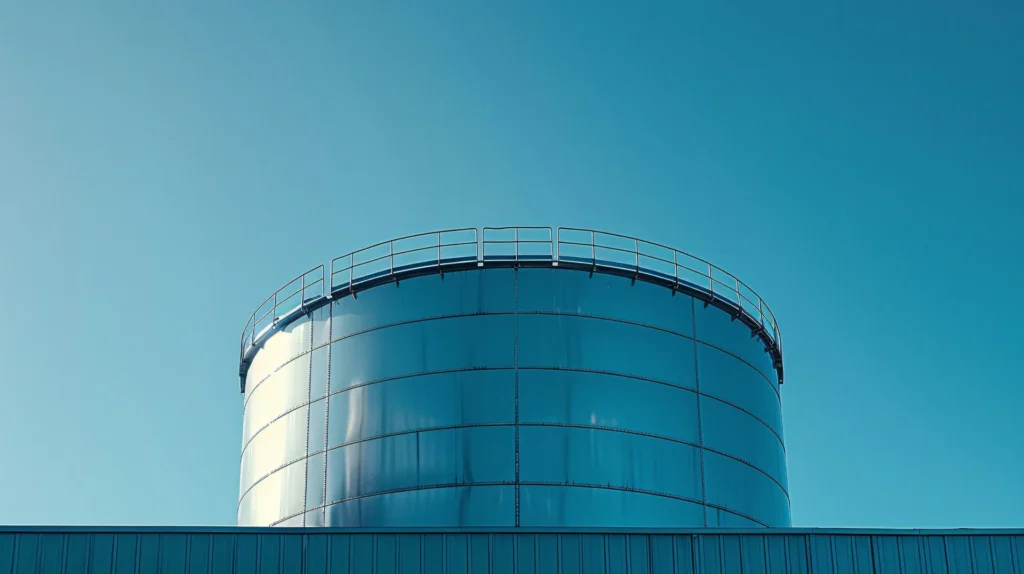
As we forge ahead into an era of increasing environmental challenges, technological advancements, and a growing emphasis on sustainability, the landscape of water storage solutions is poised for significant transformation by 2025. Water scarcity, climate change, and the necessity for efficient resource management have propelled innovation in this field. In this blog post, we will delve into the key trends that are expected to shape water storage solutions in the near future. Smart Water Management Systems One of the most significant trends in water storage is the integration of smart technology into water management systems. With the proliferation of the Internet of Things (IoT), water storage facilities are increasingly adopting smart sensors and analytics. These technologies enable real-time monitoring of water levels, quality, and usage patterns. This data-driven approach facilitates more efficient management and helps identify leaks or inefficiencies, ultimately leading to conservation and cost savings. Sustainable Materials and Designs As sustainability becomes a paramount concern, the choice of materials and design strategies for water storage solutions will shift dramatically. By 2025, we anticipate a greater emphasis on using recycled and eco-friendly materials. Innovations in bioplastics and composites will pave the way for the development of storage tanks that not only minimize environmental impact but are also more durable and longer-lasting. Modular and Scalable Systems The trend towards modular and scalable water storage solutions is gaining momentum. These systems can be easily expanded or reconfigured as demand evolves, making them particularly appealing to municipalities and industries facing fluctuating water needs. Design flexibility not only aids in accommodating growth but also enhances resilience against changing environmental conditions. Rainwater Harvesting and Greywater Systems With the crucial need for water conservation, rainwater harvesting and greywater recycling systems are expected to become more commonplace by 2025. Homeowners and businesses alike are seeking ways to capture and utilize these alternative water sources. The implementation of storage solutions dedicated to these systems will aid in reducing reliance on traditional water supplies and promote a more sustainable approach to water management. Advanced Treatment Technologies In the coming years, there will be a shift towards advanced treatment technologies that enhance the quality and usability of stored water. Innovations such as membrane filtration, UV treatment, and advanced oxidation processes will likely see increased adoption in water storage systems, ensuring that the water stored is not only safe but also suitable for a variety of applications, from irrigation to industrial use. Resilience and Adaptation Planning As climate change impacts intensify, the focus on resilience and adaptation in water storage solutions will be paramount. Facilities will need to be designed with the understanding that extreme weather events and rising sea levels can have profound implications. Strategies will increasingly incorporate considerations for redundancy, flexibility, and adaptability to withstand unforeseen challenges. Conclusion The future of water storage solutions by 2025 reflects a commitment to sustainability, efficiency, and innovation. As we navigate the complexities of resource management amid a changing climate, embracing these key trends will be critical for ensuring that we meet both current and future water needs. Stakeholders in the water sector—including policymakers, engineers, and environmentalists—must work collaboratively to implement these advancements, fostering a resilient framework for water storage that benefits both people and the planet. As we move forward, staying informed about these trends and actively participating in the transformation of water storage practices will help us all contribute to a sustainable future. For further inquiries or discussions about water storage solutions, feel free to reach out to [item]. Together, we can navigate the future of water management.